15-07-1862: Mr Robson’s Shop, Ballarat, Victoria.

The Star, Ballarat, VIC, Tuesday 15th July 1862, page 2.

“In the window of Mr Robson, the painter and decorator, Sturt street, is a stained glass centrepiece of a window, the subject being the Crucifixion. The picture is best seen from inside the shop, and worth looking at. The colouring is clear and brilliant, and the shading well managed. Messrs Ferguson and Co., of Melbourne, are the producers of the work.”

Nothing further is known as to where this window may have been eventually erected, if at all. Although there are other windows in the Ballarat area by Ferguson & Urie, there is not enough information to place this feeble description to any particular window known in that region for the date period.

Thomas Robson was well known as the Ballarat agent for Ferguson & Urie Stained Glass and instrumental in the commissioning of the chancel window for St Paul’s Church in Bakery Hill, Ballarat.

In January 1867 Robson was declared insolvent due to losses by fire and bad debts.

Related posts:

29-03-1862 > 14-04-1862 > 19-05-1862 > 04-06-1862 > 24-06-1862 > 15-07-1862 > 01-03-1863 > 07-08-1863


Short link to this page: https://wp.me/p28nLD-1hK

© Copyright

10-09-1862: The Congregational Church, Victoria St, East Melbourne.

The Congregational church was built in 1862 and stands on the corner of Victoria Parade and Simpson Street (176 Simpson Street), East Melbourne. It remained a Congregational Church for more than 70 years until 1937 when the building was sold to the Syrian Orthodox Church. It is now known as the Antiochian Orthodox Church of St Nicholas.

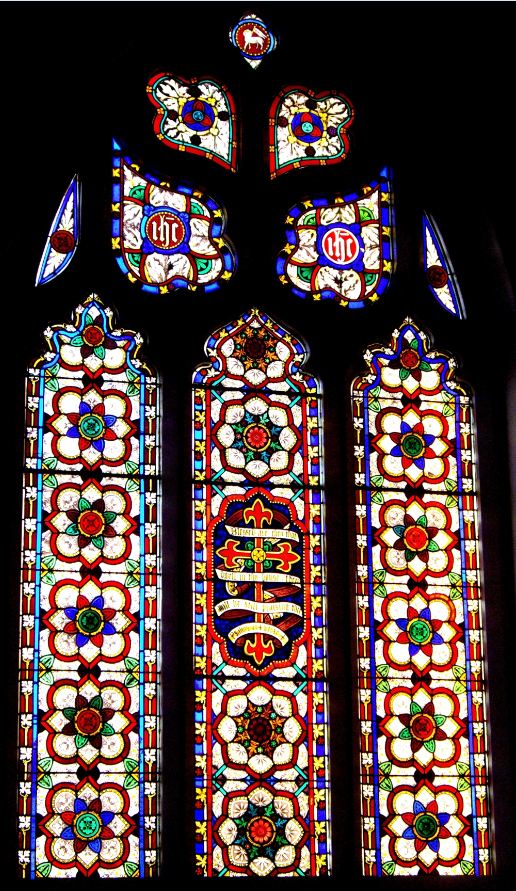
The three-light west window above the principal entrance was crafted by Ferguson & Urie. The centre light contains a scrolling ribbon with a piece of scripture from the King James Bible;

“BEHOLD THE HEAVEN AND HEAVEN OF HEAVENS CANNOT CONTAIN THEE HOW MUCH LESS THIS HOUSE THAT I HAVE BUILDED? 1st KINGS 8:27”

At the bottom edge of the centre light there also appears a very rare occurrence of the company name “Ferguson & Urie”. The two outer lights have obvious evidence of replacement pieces of rudimentary painted glass which have faded to a light brown colour.

Photos were taken: 11th September 2012.

This slideshow requires JavaScript.

The Age, Melbourne, Wednesday September 10th 1862, page 3.

 “A new Congregational Church in Victoria Parade, East Melbourne, was opened for public worship on Sunday last. Sermons were preached by the Revs. J. W. Beer, J. Taylor, and J. Bickford. Yesterday evening a public soiree to celebrate the event was held, the ladies of the congregation providing the necessary refreshments gratuitously. A public meeting subsequently took place, at which George Harker, Esq., presided. Addresses were delivered by the Revs. J. L. Poore, I. New, Moss, Day, W. Butters, and J. Beer; and by the Hon. G. Rolfe, M.L.C. The church is a handsome building, though possessing no pretensions to a high order or architecture. It is 65 feet long by 39 wide, and is capable of comfortably seating from 400 to 500 persons. The windows are of stained glass, manufactured by Messrs Ferguson and Urie, of North Melbourne. The building cost altogether 1300; of which about 200 is still due, though a liberal offer was made in the course of the evening by Mr Ramsden, to subscribe 100 if the balance of the debt was raised by the congregation. It need scarcely be mentioned that the cost of the construction is solely borne by the members of the congregation, no portion of it being received from the state-aid grant”.


External links:

St Nicholas Church web site

Heritage Victoria


Short link to this page: https://wp.me/p28nLD-hA

© Copyright
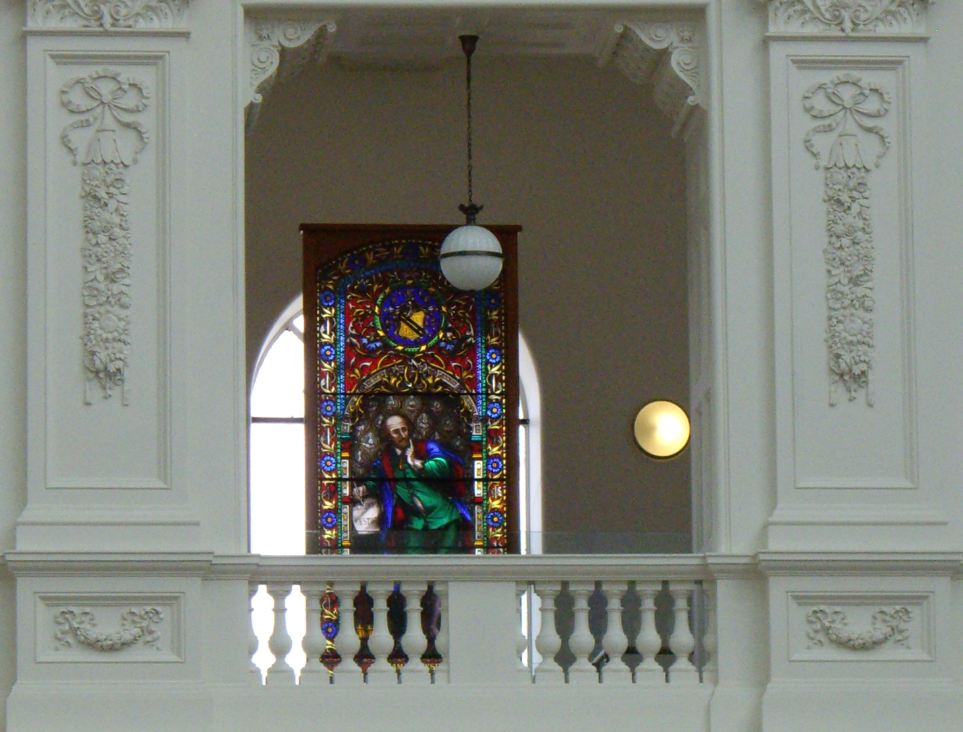
06-08-1862: The Apollo Music Hall Shakespeare window.

The Argus, Melbourne, Wednesday 6th August 1862, page 5.

WEDNESDAY, AUGUST 6, 1862. (1862, August 6). The Argus (Melbourne, Vic: 1848 – 1956), p. 4. Retrieved February 22, 2012, from http://nla.gov.au/nla.news-article5719688

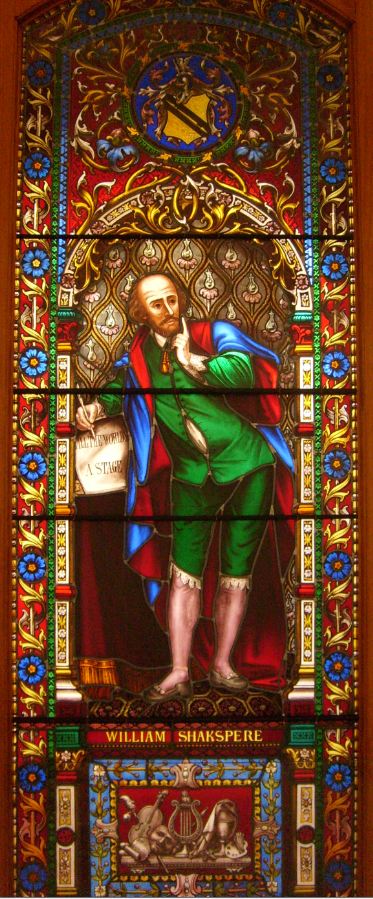
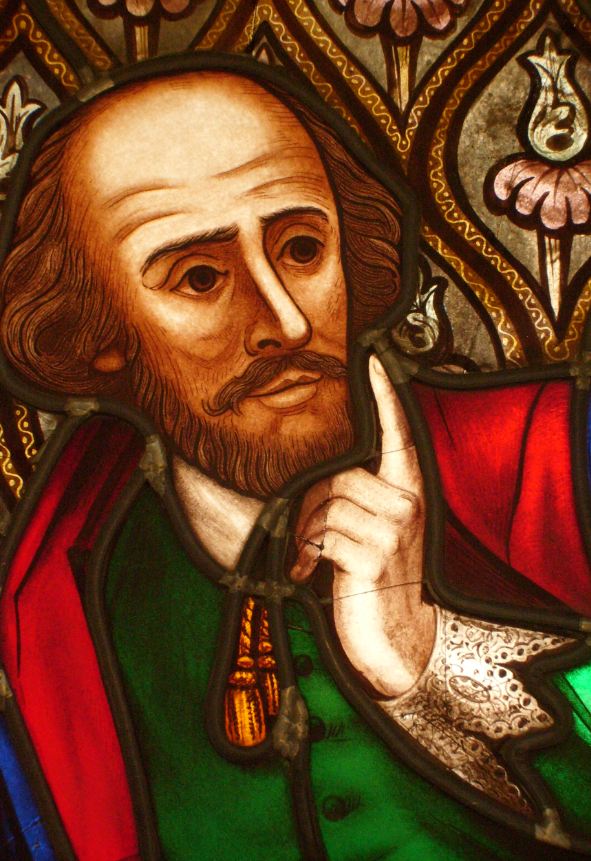
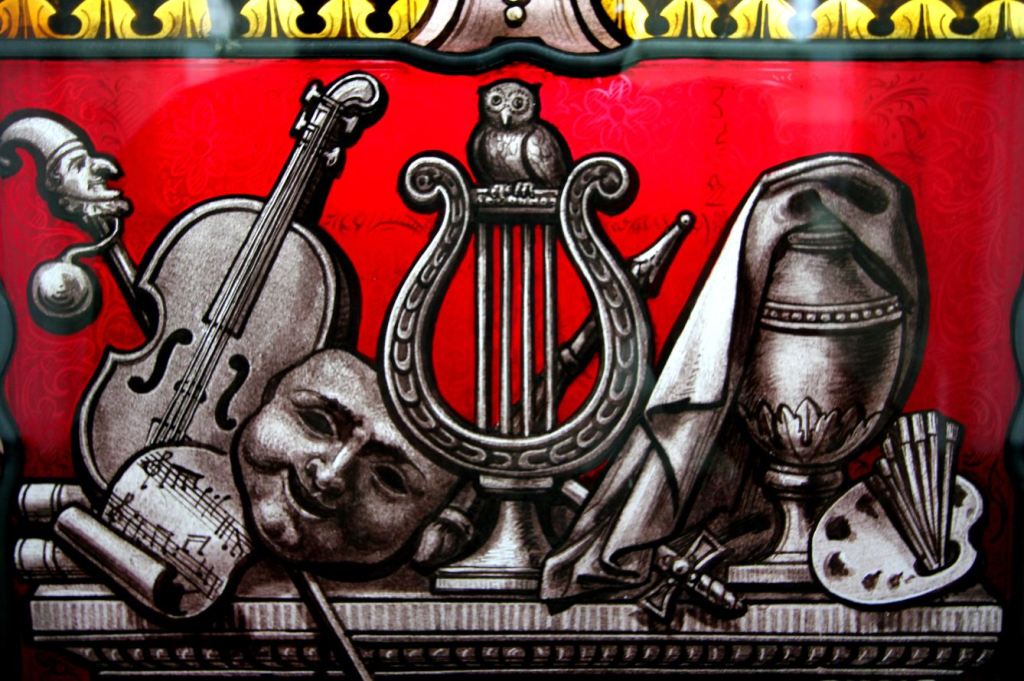
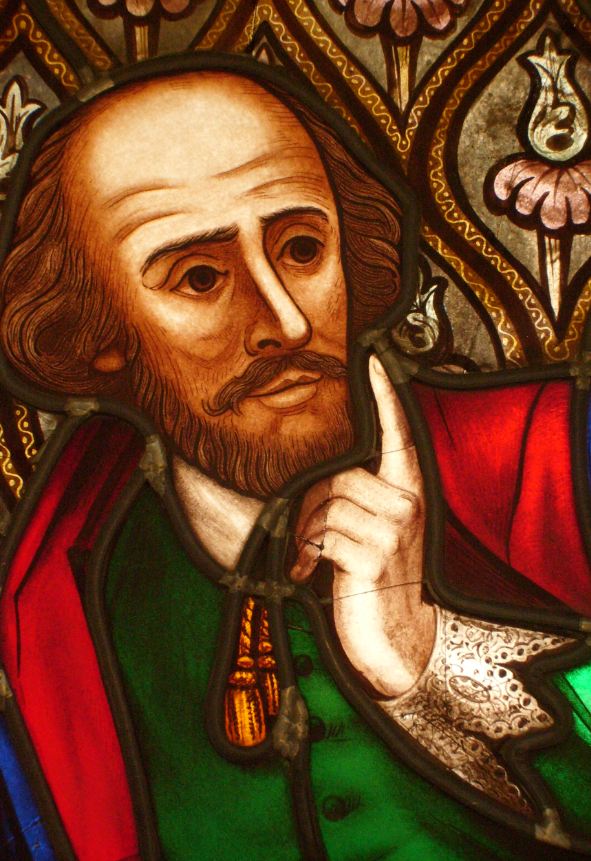
“A creditable specimen of art-manufacture has just been completed by Messrs. Ferguson and Urie, of Curzon street, North Melbourne, at the Apollo Concert Hall in this city. It is a stained glass window, in three compartments; the centre representing a full-length portrait of Shakespeare, copied from Roubillac’s faulty statue; and the side lights being filled with figures of Hamlet, Falstaff, Beatrice, and Lady Macbeth. The primary colours employed are brilliant and transparent; and the upper and lower portions of the central window, as well as its border, possess much merit both as regards design and colour; but the figures have been less successfully treated. That of Lady Macbeth is deformed, and resembles a washerwoman much more than the sublime sleep-walker. Hamlet and Beatrice appear to be portraits of John Kemble and Mrs. Mowatt respectively, and are less open to objection. But the skill of he artist is chiefly shown, as we have said, in the subordinate details of the window; and remembering the difficulties under which this art is pursued, even in Europe, owing to the nice proportions which require to be observed in the composition of the fluxes and the colouring matter, and the extreme care which has to be bestowed upon every stage of the process, the colonial manufacturers are to be complimented on the success which they have already achieved, and on the execution of a work which contains the promise of future excellence in the management of an intractable material and in the employment of delicate agencies”.

Quite an amusing description of the window I must say!

Also see related posts:

05-07-1862

12-07-1862 (photos)

External links:

Lady Macbeth (Sleepwalking scene)

24-12-1862: The Geelong Exhibition.

The Mercury, Hobart, Saturday 27th December 1862, page 3.

GEELONG INDUSTRIAL EXHIBITION (From the Herald Correspondent). Friday, 19th December”.

“The fact that the Industrial Exhibition in Geelong is to be opened to-morrow afternoon by his Excellency the Governor does not appear to create much stir or excitement in this usually dull town. The idea of an exhibition of colonial, and more especially local products, was first conceived by some gentlemen shortly after the Industrial Exhibition was held in Melbourne, and since then it has been steadfastly kept in view. In answer to the invitation requesting persons to send articles in for show, some five hundred applications were made for room, and, with so many entries, the committee felt themselves warranted in proceeding with the exhibition. The Mechanics Institute being the largest building in Geelong in which such an exhibition could take place, it was accordingly selected…”

“….Messrs. Ferguson and Urie, of Curzon street, North Melbourne have sent in a good collection of colonial stained glass”.

01-07-1862: The opening of Coppins Apollo Music Hall.

The Argus, Melbourne, Tuesday 1st July 1862, page 8.

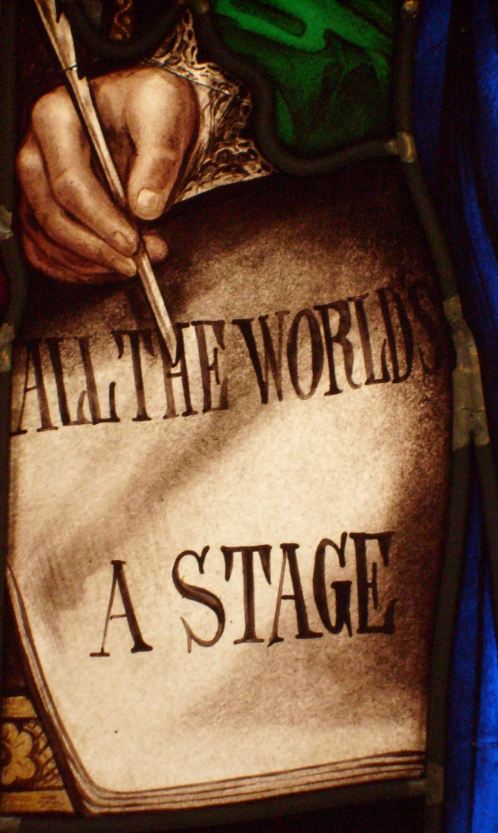
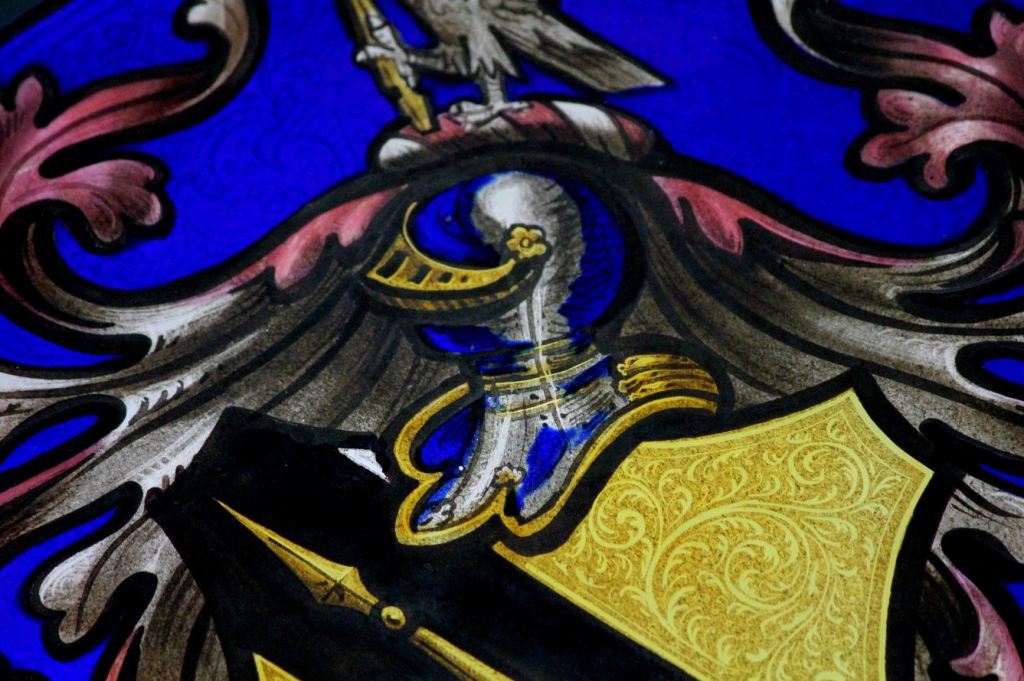
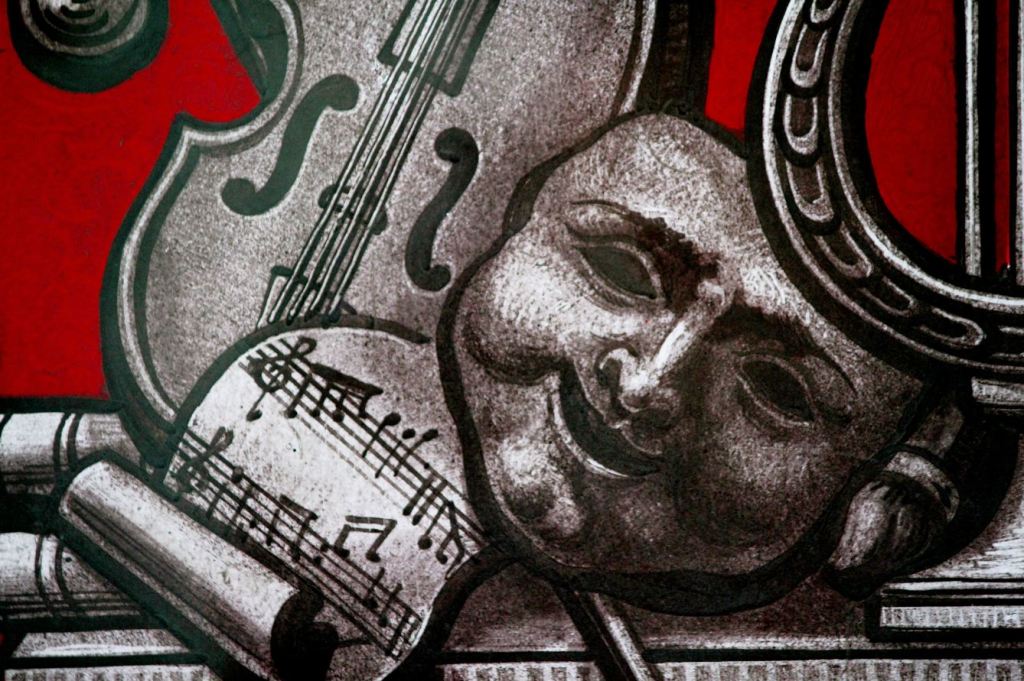
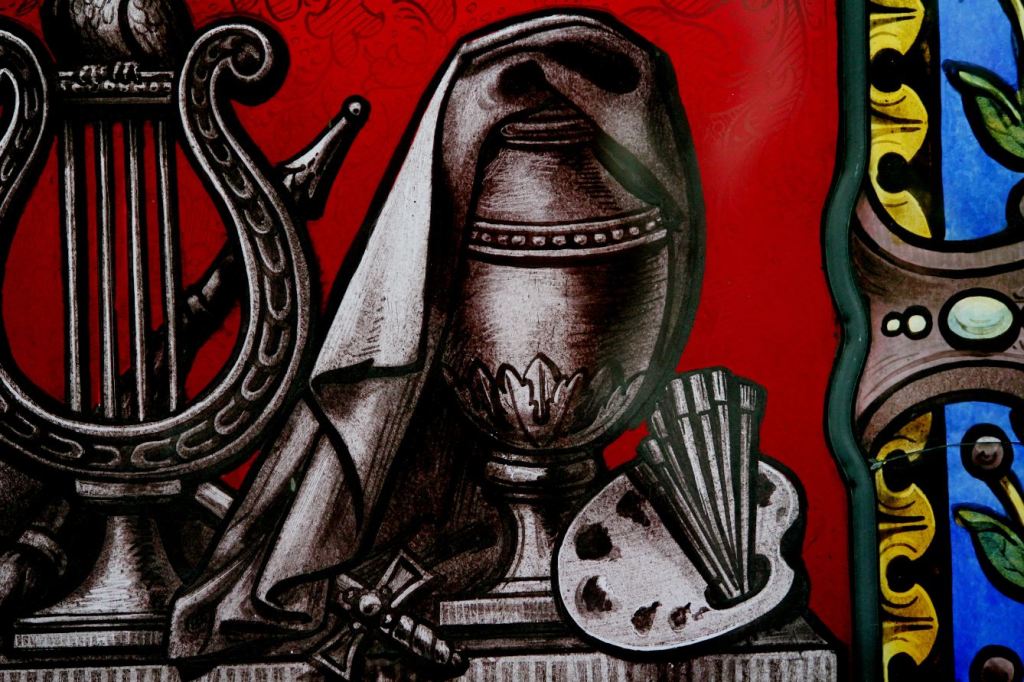
Entertainer and Politician, George Coppin, opens his ‘Apollo Music Hall’ on the 5th of July 1862. The stained glass windows were crafted by Ferguson & Urie of North Melbourne. One of the windows depicting the stage image of Shakespeare was restored by Geoffrey Wallace Studios in 2005 and now appears at the top of the dome in the Latrobe Reading Room at the State Library of Victoria.

Photo taken 16th January 2011.

Related posts:

22-04-1870: The Haymarket Theatre Dispute. Melbourne, Victoria.

24-06-1862: St. Paul’s Anglican Church, Humfray St, Bakery Hill, Ballarat.

The Star, Ballarat, Tuesday 24th June 1862, page 2.

“Our churches naturally attract attention, less from an architectural point of view than from their social importance. The congregation of St. Paul’s Anglican Church has lately completed very considerable enlargements of that building, and mainly through the liberality of some of the wealthier members, furnished it with a square tower, which, though it does not itself command any very extensive view, forms a conspicuous and picturesque relief to the uniform want of elevation in the surrounding buildings. The building is of brick after a design by Mr Terry, in the latest period of pointed architecture. The decorations within have mostly been executed by Mr St.Quentin, and stained glass in the principal window has been presented by Mr. T. Robson, of Sturt street, and Messrs Ferguson and Urie, of Melbourne […].”

St Pauls Bakery Hill Ballarat

The Ferguson & Urie chancel window at St. Paul’s Anglican Church, Humfray Street Ballarat. Photo: Ray Brown 17 Mar 2011.

Related posts: 29-03-1862 > 14-04-1862 > 19-05-1862 > 04-06-1862 > 24-06-1862 > 15-07-1862 > 01-03-1863 > 07-08-1863

04-06-1862:St. Paul’s Anglican Church, Humfray St, Bakery Hill, Ballarat.

The Star, Ballarat, Vic, Wednesday 4th June 1862, page 1s.

“ST. PAUL’S CHURCH SOIREE”.

 “A soiree in aid of the enlargement fund of St. Paul’s was held on Tuesday evening, in the hall of the Mechanics’ Institute, when that large place was crowded in every part […].”

 “[…] The thanks of the Church were due also to Messrs Robson, and Ferguson and Urie, for their gifts of the beautiful triplet window, and tracery. (cheers.)”

St Pauls Bakery Hill Ballarat

The Ferguson & Urie chancel window at St. Paul’s Anglican Church, Humfray Street Ballarat. Photo: Ray Brown 17 Mar 2011.

Related posts: 29-03-1862 > 14-04-1862 > 19-05-1862 > 04-06-1862 > 24-06-1862 > 15-07-1862 > 01-03-1863 > 07-08-1863

19-05-1862: St. Paul’s Anglican Church, Humfray St, Bakery Hill, Ballarat.

The Star, Ballarat, Monday 19th May 1862, page 2.

“At a meeting of St. Paul’s Church Committee held on Friday evening a vote of thanks was unanimously accorded to Messrs Seeley and Bradbury, the contractors for the enlargement of the building, for the very satisfactory manner in which they have executed the work; also, to Mr Thomas Robson, of Sturt street, for his handsome gift of the centre part of the chancel window, and to Messrs Ferguson and Urie, of Melbourne, for presenting the church with the beautiful portions inserted in the tracery of the window. We understand that the decorations of the chancel have not yet been completed.”

St Pauls Bakery Hill Ballarat

The Ferguson & Urie chancel window at St. Paul’s Anglican Church, Humfray Street Ballarat. Photo: Ray Brown 17 Mar 2011.

Related posts: 29-03-1862 > 14-04-1862 > 19-05-1862 > 04-06-1862 > 24-06-1862 > 15-07-1862 > 01-03-1863 > 07-08-1863

14-04-1862: St Paul’s Church, Humfray St, Bakery Hill, Ballarat, Victoria.

The Star, Ballarat, Monday 14th April 1862, page 2.

“… The window consists of three lights, with top tracery, all produced in the colony, save the clear light portions. The two side lights were presented by the committee of the church, and the centre one by Mr Robson, of Sturt-street, agent for Messrs Ferguson & Urie, glass stainers, of Melbourne, which later firm gave the tracery at the top…”


St Pauls Bakery Hill Ballarat

The Ferguson & Urie chancel window at St. Paul’s Anglican Church, Humfray Street Ballarat. Photo: Ray Brown 17 Mar 2011.


Related posts: 29-03-1862 > 14-04-1862 > 19-05-1862 > 04-06-1862 > 24-06-1862 > 15-07-1862 > 01-03-1863 > 07-08-1863


Short link to this page: https://wp.me/p28nLD-2M

© Copyright

08-04-1862: St Paul’s, Bakery Hill, Ballarat, Victoria.

In early April 1862, two stained glass windows were on display at the Ferguson & Urie workshops in Curzon Street North Melbourne.

The Argus, Melbourne, Tuesday 8th April 1862, page 4.

“Yesterday our attention was directed to two stained-glass windows, at the establishment of Messrs. Ferguson and Urie, Curzon-street, North Melbourne. They are both what are called ‘single light’ windows, and are adapted for ecclesiastical edifices. The design of one is in the early English style of architecture, and that of the other is the decorated style. The centre of the former window is occupied by a figure of the Saviour, seated upon a throne, underneath a canopy, and holding in one hand the symbols of Majesty. Above the canopy is the paschal lamb, and at the bottom of the window is the scriptural text, “He shall judge the world in righteousness”. The Principal feature of the second window are a cross and crown, with the inscription, “Blessed are the dead”. Both designs are exceedingly chaste, and the colours rich and harmonious. As specimens of painted glass, the windows are alike creditable to Messrs. Ferguson and Urie, by whom they were made, and to Mr. Lyons[sic], by whom they were designed. A beautiful triple light window, executed by the same gentlemen, has recently been placed in St. Paul’s Church, Ballarat. The two already referred to, remain on view at Messrs. Ferguson and Urie’s, and are well worthy of inspection, both for their intrinsic merits and as specimens of a new branch of the Victorian industry”.

The location or existence of the two windows described are not known.
The triple light ‘decorated’ window for St. Paul’s Church at Ballarat is extant.

St Pauls Bakery Hill Ballarat

The Ferguson & Urie chancel window at St. Paul’s Anglican Church, Humfray Street Ballarat. Photo: Ray Brown 17 Mar 2011.

St Pauls Bakery Hill Ballarat

The Ferguson & Urie chancel window at St. Paul’s Anglican Church, Humfray Street Ballarat. Photo: Ray Brown 17 Mar 2011.

St. Paul's, Bakery Hill, Ballarat, Victoria

St. Paul’s Anglican Church, Humfray Street Ballarat. Photo: Ray Brown 17 Mar 2011