22-04-1870: The Haymarket Theatre Dispute. Melbourne, Victoria.

The Argus, Melbourne, Friday 22nd April 1870, page 6.

Mr P.T. Conlon, Architect, writes to the Editor of the Argus in an attempt to correct a misinformed statement made by a Mr. Sullivan at a meeting of bondholders of the Haymarket Theatre..

“THE HAYMARKET THEATRE DISPUTE”

 “Sir, – In the absence of Mr. George Coppin from the colony, will you permit me to contradict a statement made by Mr. Sullivan, at a meeting of bondholders held yesterday, at the office of Mr. Mackenzie. In your report of the meeting in this mornings issue of the Argus, it appears that Mr Sullivan made a statement to the effect that Mr. Coppin had four bonds given to him for certain articles that he provided when the theatre was built, amongst which was a stained glass window that was placed in front of the Apollo-hall. Upon this subject Mr. Sullivan must have been misinformed. The history of the stained glass window, of which so much has been said of late, is simply that in my original specification for building the Haymarket Theatre the whole of the windows in front were to be of plate glass. Messrs. Ferguson and Urie being anxious to introduce their exceedingly beautiful system of imitating stained glass, made an offer to Mr. Coppin to fill in the spaces with their workmanship, at atleast two thirds less than Its actual cost. Mr. Coppin accepted their offer and paid the difference between that and the plate-glass, and to my certain knowledge there was no source from whence Mr. Coppin could obtain the bonus (of four debentures) spoken of by Mr. Sullivan. – I am, Sire, yours, &c. P.T. CONLON, Architect. April 21, 1870.”

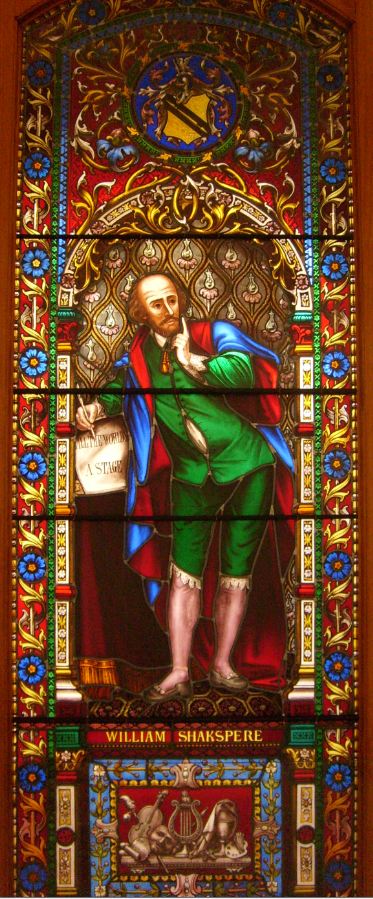
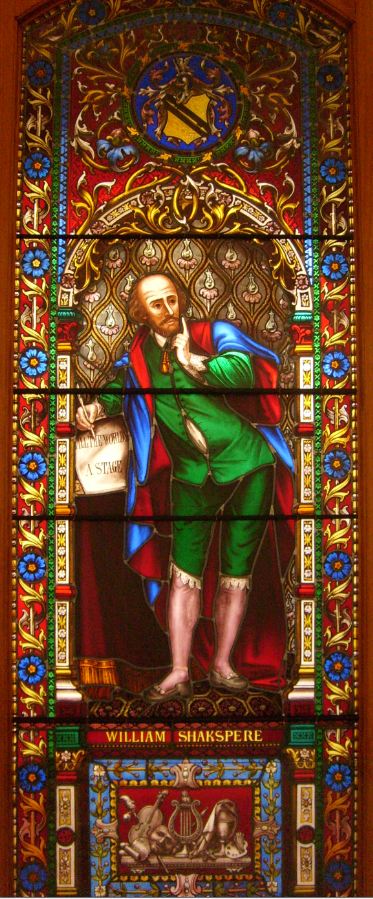
Note: The Shakespeare window now is on display at the State Library in Swanston St Melbourne and was restored by Geoffrey Wallace Stained Glass in 2005.
Shakespeare Window 01

Related posts:

05-07-1862, 12-07-1862 (slideshow), 06-08-1862


Short link to this page: https://wp.me/p28nLD-e4
© Copyright


06-08-1862: The Apollo Music Hall Shakespeare window.

The Argus, Melbourne, Wednesday 6th August 1862, page 5.

WEDNESDAY, AUGUST 6, 1862. (1862, August 6). The Argus (Melbourne, Vic: 1848 – 1956), p. 4. Retrieved February 22, 2012, from http://nla.gov.au/nla.news-article5719688

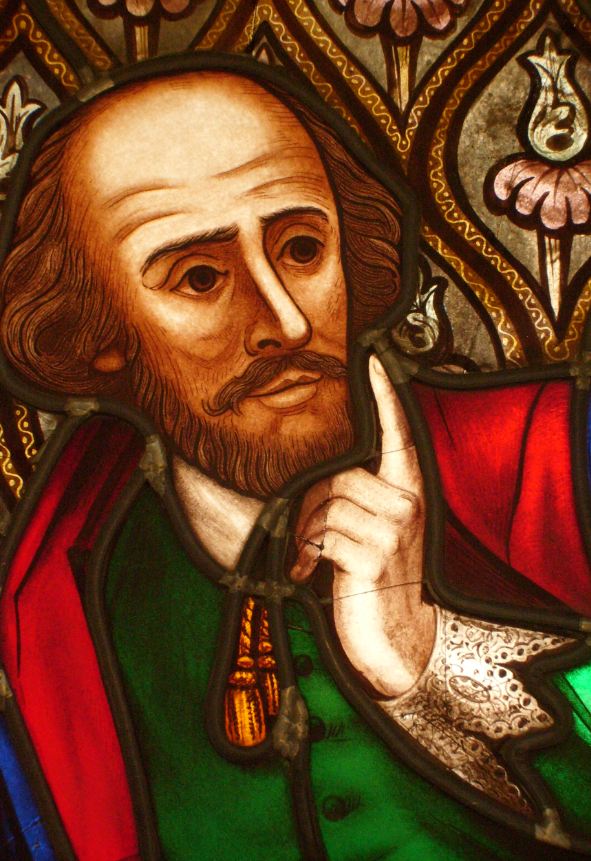
“A creditable specimen of art-manufacture has just been completed by Messrs. Ferguson and Urie, of Curzon street, North Melbourne, at the Apollo Concert Hall in this city. It is a stained glass window, in three compartments; the centre representing a full-length portrait of Shakespeare, copied from Roubillac’s faulty statue; and the side lights being filled with figures of Hamlet, Falstaff, Beatrice, and Lady Macbeth. The primary colours employed are brilliant and transparent; and the upper and lower portions of the central window, as well as its border, possess much merit both as regards design and colour; but the figures have been less successfully treated. That of Lady Macbeth is deformed, and resembles a washerwoman much more than the sublime sleep-walker. Hamlet and Beatrice appear to be portraits of John Kemble and Mrs. Mowatt respectively, and are less open to objection. But the skill of he artist is chiefly shown, as we have said, in the subordinate details of the window; and remembering the difficulties under which this art is pursued, even in Europe, owing to the nice proportions which require to be observed in the composition of the fluxes and the colouring matter, and the extreme care which has to be bestowed upon every stage of the process, the colonial manufacturers are to be complimented on the success which they have already achieved, and on the execution of a work which contains the promise of future excellence in the management of an intractable material and in the employment of delicate agencies”.

Quite an amusing description of the window I must say!

Also see related posts:

05-07-1862

12-07-1862 (photos)

External links:

Lady Macbeth (Sleepwalking scene)

12-07-1862: The Shakespeare window at the Haymarket Theatre, Melbourne.

The history of one of Ferguson & Urie’s most famous stained glass windows can only be surmised by the following article:

The Portland Guardian and Normanby General Advertiser, Saturday 12th July 1862, page 2.

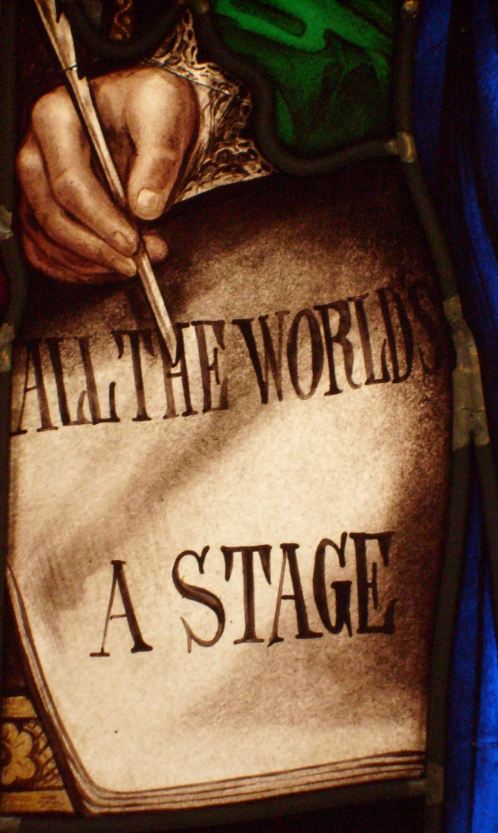
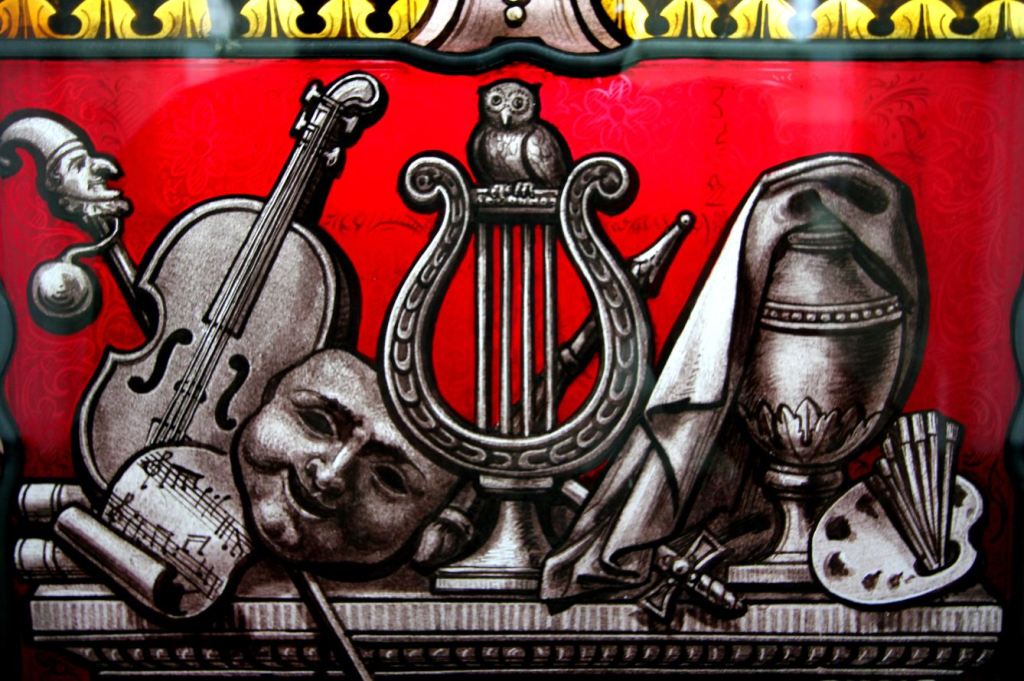
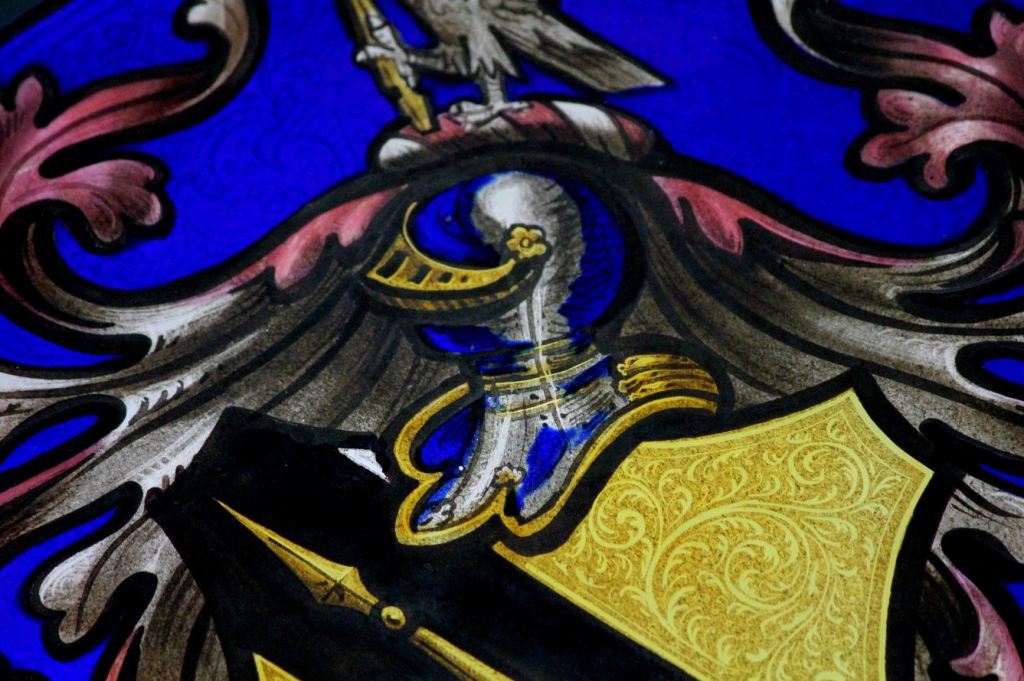
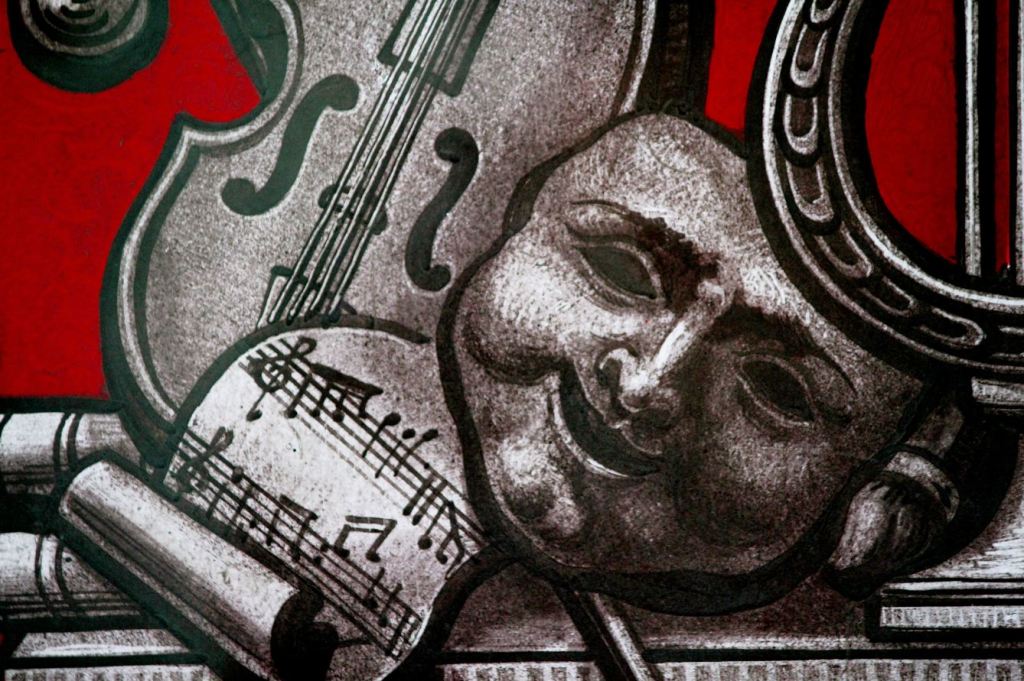
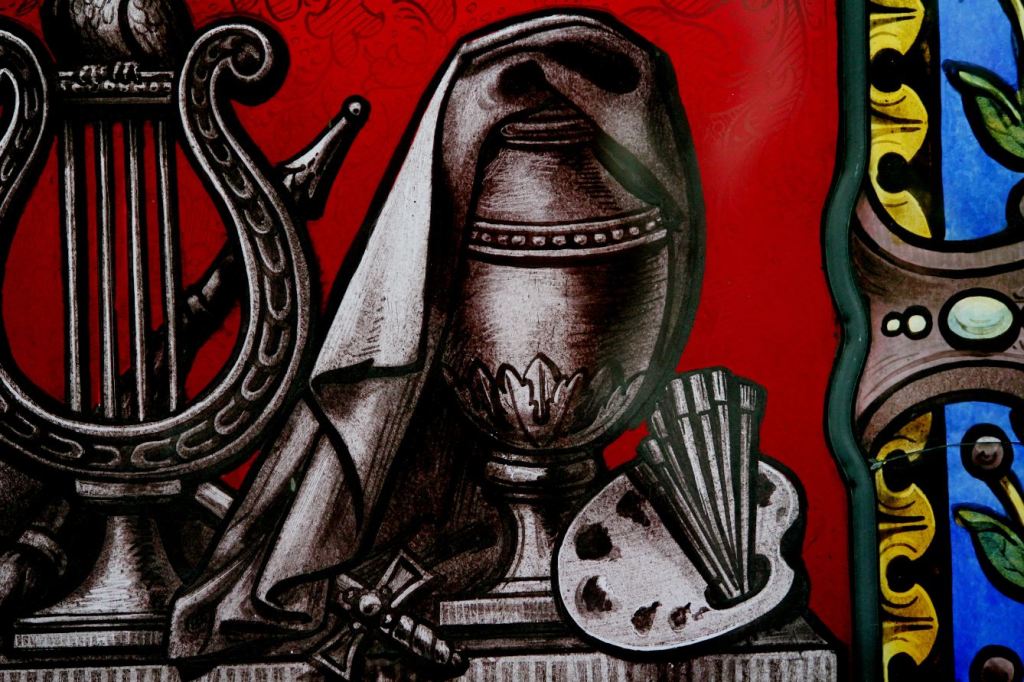
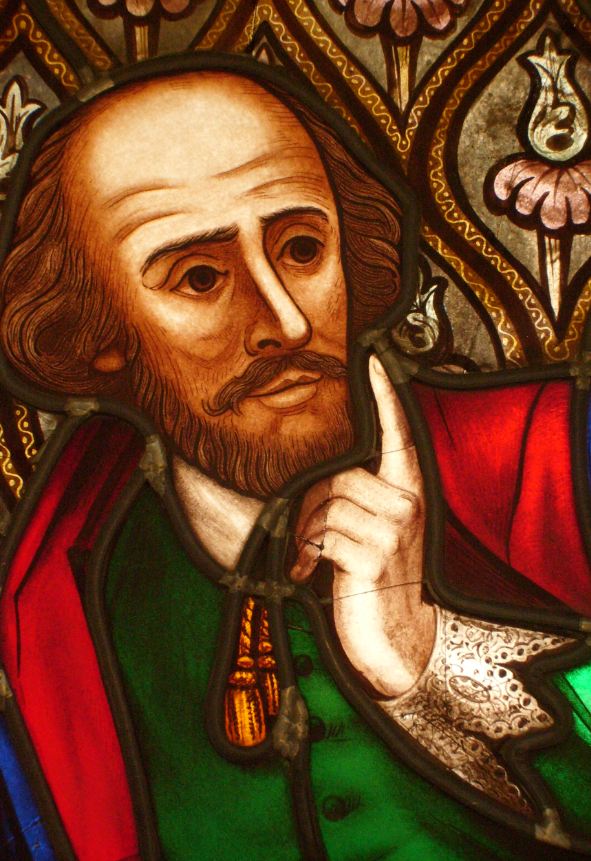
“I have just received per mail, a photograph of a splendid piece of work – in the shape of a magnificent stained glass window, it is equal to anything of the kind produced in the old country, and is a credit to the colony. This splendid piece of work has just been completed for the new theatre now about opening in Melbourne, and has been manufactured at the works of Messrs. Ferguson and Urie, of Curzon-street, Melbourne, its designers and the artists to whom it will testify for years to come; they have successfully carried out a specimen of the fine arts, such as could not be excelled in any part of the Queen’s dominions. It consists of three separate parts a central and two wings – the central part has a fine life sized portrait of the immortal Will. Shakespeare, surrounded by a border of scroll and arabesque work, with flowers intermixed of the richest colours; over the poets head is a coat of arms, in a kind of oriel – under his feet is a device, emblematic of the profession – a lyre, masque, &c, &c, this as well as the oriel is likewise surrounded by borderings of quaint and original design and the whole window had a border edged each side with a narrower one – of the most chaste and beautiful description. The Poet stands in a leaning attitude, pen in hand dressed in the handsome costume of Queen Elizabeth’s time. The two side departments each contain two full length portraits of the most prominent characters, such as the Jolly Old Knight, “Sir John Falstaff,” Macbeth’s guilty Queen and other two. The whole of this beautiful work is formed of Stained Glass of the richest transparent colours and is the first thing of the kind on so large a scale, executed in Victoria.”

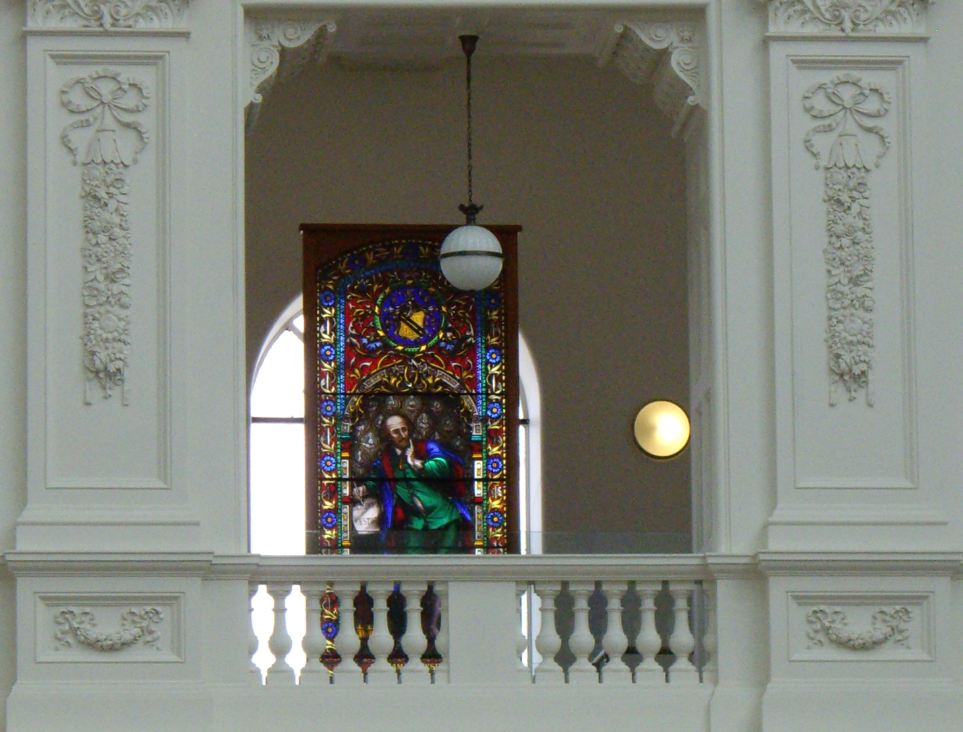
The Shakespeare window is now on display at the top of the dome in the La Trobe reading room. It was restored by Geoffrey Wallace stained glass studio in 2005. Originally it included two narrow side windows devoted to the Shakespearean characters, Hamlet and Lady Macbeth and Beatrice but what became of those is unknown.

This slideshow requires JavaScript.

Related Posts:

05-07-1862 > 06-08-1862

18-11-1876: St. Stephen’s Anglican Church, Richmond, Melbourne, Victoria.


Short link to this page: http://wp.me/p28nLD-3d

© Copyright

01-07-1862: The opening of Coppins Apollo Music Hall.

The Argus, Melbourne, Tuesday 1st July 1862, page 8.

Entertainer and Politician, George Coppin, opens his ‘Apollo Music Hall’ on the 5th of July 1862. The stained glass windows were crafted by Ferguson & Urie of North Melbourne. One of the windows depicting the stage image of Shakespeare was restored by Geoffrey Wallace Studios in 2005 and now appears at the top of the dome in the Latrobe Reading Room at the State Library of Victoria.

Photo taken 16th January 2011.

Related posts:

22-04-1870: The Haymarket Theatre Dispute. Melbourne, Victoria.